
Start training

Getting started

Prepare for a stronger and more consistent training routine

A thoughtful start can make your gym sessions easier to manage. Consider your current fitness level, decide what you want to develop and choose a training approach that gives you enough structure to progress without making the routine unnecessarily complicated.

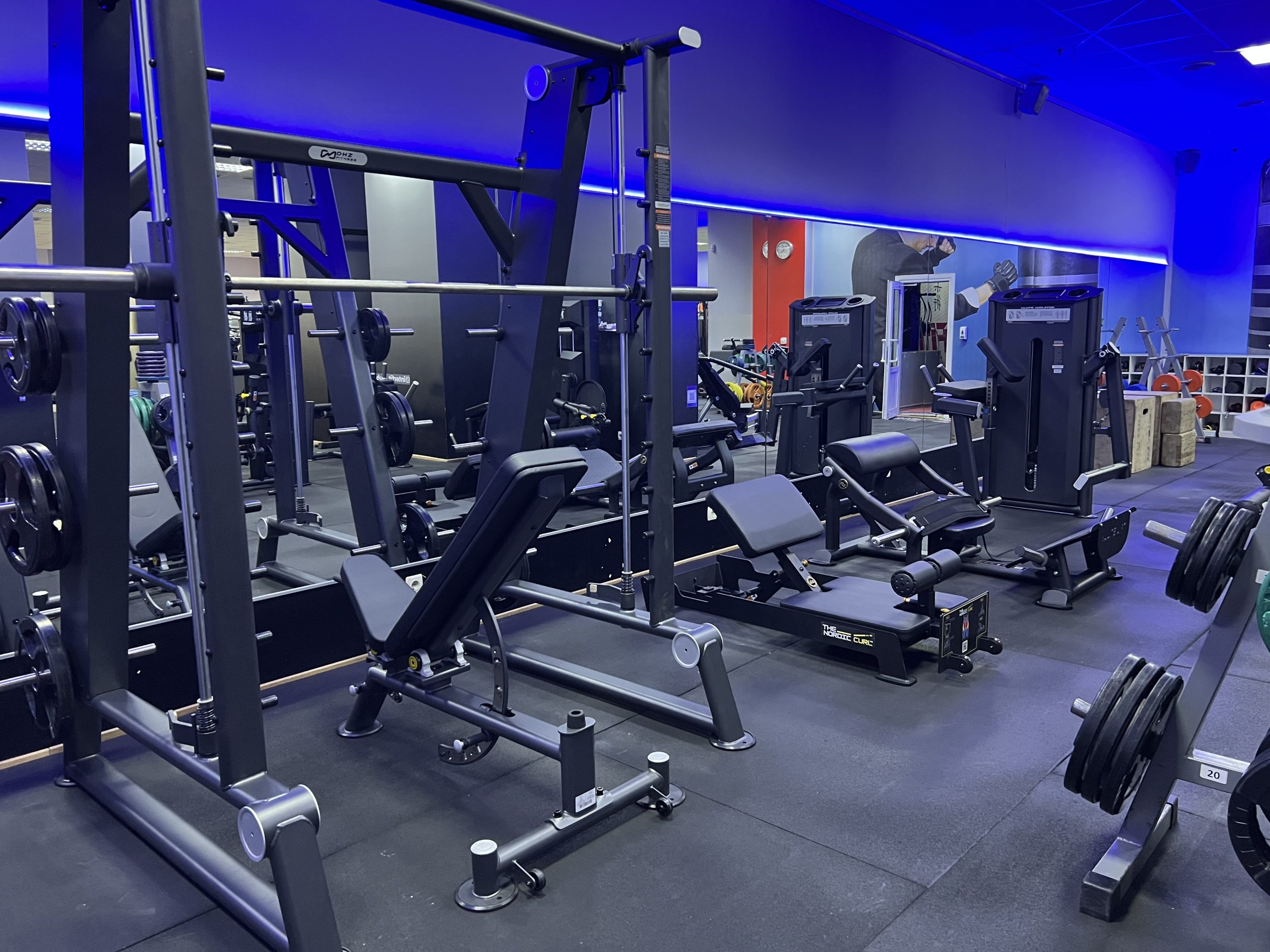
Athlete preparing for a structured workout inside a professional fitness center

Your first training preparation guide

Follow the sequence below to create a practical starting point for your fitness routine. These steps can be useful whether you are returning to exercise, learning resistance training or building a more balanced weekly workout schedule.

01 · Understand your starting point

Consider your current experience, movement ability and recent training habits before choosing exercises. Starting with an appropriate workload makes it easier to learn technique and establish a routine you can maintain consistently.

02 · Define your main objective

Decide which area deserves the most attention, whether that means building strength, improving cardiovascular endurance, developing mobility or creating a balanced full-body fitness routine.

03 · Select a suitable training plan

Match the program to your experience and available recovery time. A manageable routine with clear exercises and realistic training demands can provide a better foundation for steady progress than an overly complex schedule.

Training preparation checklist

A few intentional preparation steps can make each workout more organized and help you spend your training time on the exercises that contribute most directly to your current fitness objectives.

Before the workout Why it matters Simple action
Establish your training focus Gives the session a clear direction Decide whether the main priority is strength, conditioning, mobility, endurance or a balanced full-body workout.
Prepare for the planned movements Helps transition safely into active training Use an appropriate warm-up and controlled preparation exercises for the movements you expect to perform.
Set a realistic workload Keeps training manageable and purposeful Choose resistance, repetitions, duration and intensity that match your current experience, energy and overall training objective.